Guest post by Ed Carter.
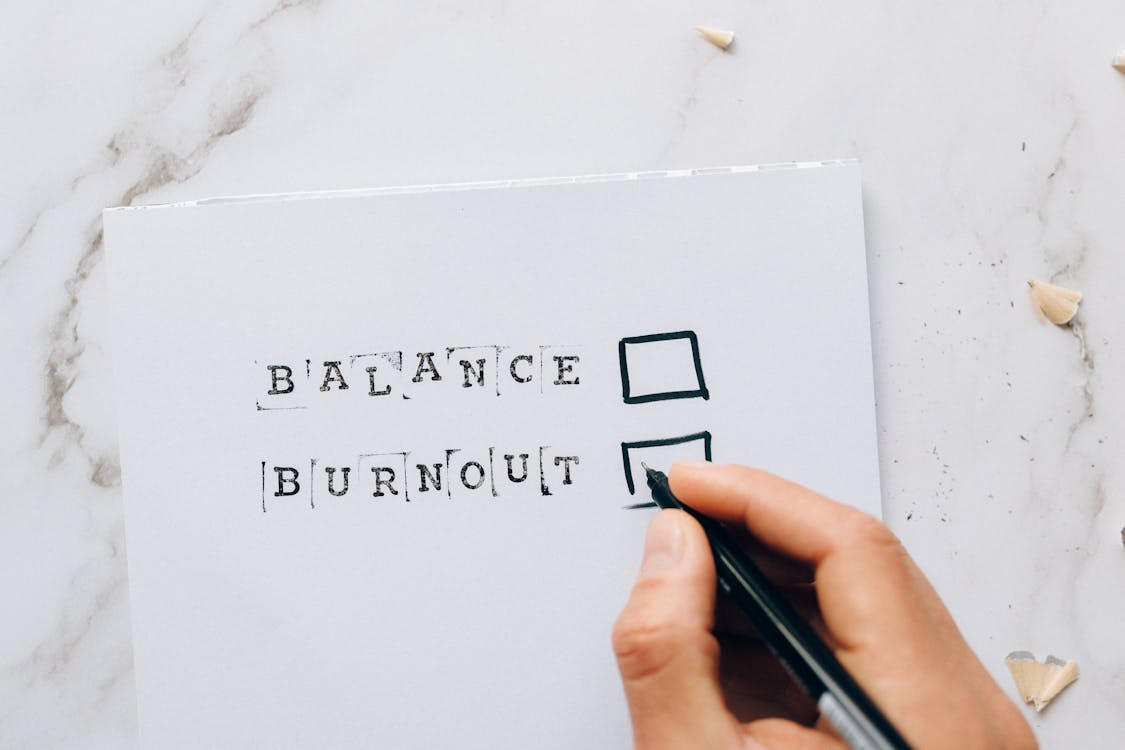
Ambitious professionals balancing demanding work, family responsibilities, and personal goals often start a self-improvement journey with real momentum, then hit a wall. The core tension is simple: overdrive without recovery looks like discipline, but it quietly drains the focus and energy sustainable personal development depends on. Preventing burnout isn’t a sign of lowering standards; it’s the difference between short bursts of effort and progress that actually holds. With the right long-term growth strategies, motivated individuals seeking growth can keep improving every day without paying for it later.
What Balanced Personal Growth Really Means
Balanced personal growth means building a plan you can keep, not a plan that only works when life is quiet. It connects three basics: a clear goal-setting framework, steady consistency, and smart energy management so you can improve without draining yourself.
This matters because big effort without a structure often turns into frustration, skipped days, and guilt. When you set clear, achievable goals and match them to your real capacity, progress starts to feel predictable. Consistency becomes the default, not a heroic push.
Think of it like budgeting your energy the way you budget money. You choose a few “essential expenses” for growth, protect recovery time, and avoid taking on more than you can pay back. That is how sustainable personal growth stays steady when work and family get intense.
Habits That Keep You Growing Without Overdoing It
These habits matter because they turn personal growth into something you can repeat on busy weeks, not just ideal ones. Think of them like simple deposits into your energy and progress accounts so you keep improving without sliding into burnout.
Daily SMART Micro-Plan
- What it is: Write one SMART next step and a “good enough” version.
- How often: Daily
- Why it helps: You stay moving forward without inflating the workload.
Two-List Time Block
- What it is: Use planning and organizing time to pick one priority and two supports.
- How often: Daily
- Why it helps: It protects focus and reduces the stress of juggling.
Five-Minute Mindfulness Reset
- What it is: Sit quietly and follow your breath for five minutes.
- How often: Daily
- Why it helps: It lowers mental noise so decisions feel easier.
Weekly Movement Minimum
- What it is: Schedule 150 minutes of moderate exercise in ways you actually enjoy.
- How often: Weekly
- Why it helps: It can boost mood and help manage stress.
Weekly Review and Reduce
- What it is: Review wins, then remove one task that no longer fits.
- How often: Weekly
- Why it helps: It prevents quiet overload from building up.
Common Questions About Growing Without Burning Out
Q: How can I set personal development goals that are both achievable and motivating?
A: Pick a goal that matches your current capacity, not your ideal week. Define a clear “done” result, then choose a tiny daily action that proves you are the kind of person who follows through. Keep it motivating by tracking progress in visible ways, like a simple streak or checklist.
Q: What are effective strategies to maintain momentum without feeling overwhelmed or burned out?
A: Set a “minimum viable day” so progress still counts when life gets busy. Build in recovery time the same way you schedule effort, because burnout is common even among high performers, and 71% of CEOs report burnout at least occasionally. If you feel pressure rising, narrow your focus to one meaningful step and stop there.
Q: How can incorporating mindfulness and self-care improve my long-term progress in self-improvement?
A: Mindfulness helps you notice early warning signs like irritability, rushing, or negative self-talk, so you can adjust before you crash. Pair it with self-care basics like sleep, movement, and real breaks to protect your energy budget. Long-term growth is more consistent when your nervous system is not constantly in “push harder” mode.
Q: What can I do to stay positive and keep learning from setbacks during my personal growth journey?
A: Treat setbacks as feedback: ask what was too big, too vague, or poorly timed, then revise the plan instead of judging yourself. Write down one lesson and one next attempt within 24 hours, so the story becomes “I adapt” rather than “I fail.” Keep the bar realistic and celebrate the restart, not just the perfect streak.
Q: If I’m struggling to find direction and want to celebrate meaningful achievements while developing leadership or community skills, what resources can help me recognize and build on these successes?
A: Start with a weekly “wins log” that captures actions, impact, and what skills you used, especially communication, organizing, or mentoring. Recognition matters because people who receive regular recognition are reported as less likely to experience burnout, so practice recognizing yourself. For direction, look for community projects, volunteer roles, or leadership story collections that show how small efforts create visible impact, and explore this for additional leadership stories.
Your Daily Growth Without Burnout Checklist
This checklist turns good intentions into a simple plan you can follow on busy days. Use it like a quick budget review for your energy so you keep compounding progress without overdrafting yourself.
✔ Set one clear “done” result for the week
✔ Choose one tiny daily action that proves progress
✔ Define your minimum viable day for hectic schedules
✔ Schedule recovery blocks like non-negotiable appointments
✔ Track effort with a simple streak or checkbox
✔ Review pressure signals and scale down within 5 minutes
✔ Log one win and one lesson each week
Check these off, then stop for today.
Turning Daily Growth Into a Calm, Sustainable Success Habit
It’s easy to chase growth so hard that progress starts to feel like pressure, and burnout becomes the price of ambition. The steady approach here, simple reflection, realistic pacing, and empowerment through sustainable growth, keeps personal development grounded in what can be repeated, not what can be endured once. With those key personal development takeaways and motivational self-improvement insights, momentum becomes calmer, confidence rises, and a long-term success mindset starts to feel natural. Slow, consistent progress beats frantic perfection every time. Choose one item from the checklist and do it today, then make the same choice again tomorrow as a renewed growth commitment. That’s how growth becomes stability, resilience, and better performance without sacrificing health.
Photo by Nataliya Vaitkevich.